Related: Where to Hang a Feeder So Birds Stop Hitting the Glass
My first window feeder went up three feet from my dining room glass, and it went up because a white-throated sparrow hit that glass on a Tuesday morning. She spent three days in a shoebox in my laundry room and flew off on a Friday. The feeder was the apology and the fix. Twelve years later I am still recommending window bird feeders to anyone who wants to watch birds from a chair, because they put the birds at arm's length, and because a feeder within three feet of glass stops a bird from building up the speed that turns a window strike into a fatality. That is not a sentimental detail. It is the whole reason the feeder is on the glass.
This is a guide to four things I keep in the yard for the back half of the year. Two are window feeders for watching birds up close. Two are fall lawn foods for the ground underneath, because the strip of turf under a feeder is the hardest ground in any yard: hull litter, foot traffic, sprouted seed, and a freeze coming. I keep the log, a spreadsheet of every species that visits, the first-of-season dates for migrants, and how many cups of seed each feeder draws per week. Ten years of that log decides what I recommend, along with one rule. Nothing earns a spot on the fence without a full season in this yard, or a clear reason it does not need one.
One caveat before the picks. I live in Madison, Wisconsin, so my winters run freeze, thaw, freeze, and my January mornings run single digits. If you live somewhere mild, half the warnings below do not apply to you, and the window feeders look like a much better idea than they do on my deck.
Best Overall: Clear Window Bird Feeder with Extra Strong Suction Cups
If you want the shortest distance between your coffee and a black-capped chickadee, this is the feeder. It is clear acrylic, which matters more than it sounds: you can see the whole tray from the side, the birds can see you coming, and nothing about the feeder competes with the bird for your attention. A window feeder is also the easiest feeder in the yard to keep clean, and that is the spec I care about most. It comes off the glass, it comes apart, and it rinses in the sink. If I cannot take a feeder apart in under a minute, it is a mold experiment by August, and moldy seed is how you end up with sick birds at the window instead of healthy ones.
The suction cups are the part to think about. I have watched a suction-cup feeder let go on a hard January night, and I spent twenty minutes picking sunflower hearts out of the snow. So here is the rule I have kept for twelve years: suction cups are for screened porches, sheltered windows, and mild climates. If your January looks like mine, plan to bring this one in on the nights that drop hard, or hang it where wind and afternoon sun cannot work on the cups. Do that and it earns its place, because a window feeder three feet from the glass is the best way to watch birds up close without turning your window into a hazard.
Best for Wide Windows: 180° Clear View Window Feeder
This one is built around a measurement, so take it seriously: it fits windows 27 to 35 inches wide. Measure your glass before you order, because a window feeder that does not fit your window is a box with a bird on the label. The payoff for that width is the 180 degree view. On a big picture window you are not usually sitting directly in front of the feeder, you are on the couch at an angle, and a wide mount keeps the tray in your line of sight from where you actually sit.
It is the pricier of the two window feeders here, and I would spend the money for one specific setup: a wide window in a room where you already sit, with a shrub line or a fence where birds stage before they come in. That is the window feeder that turns a room into a blind. The same rules apply. Mount it within three feet of the glass so birds cannot build up speed, take it down and wash it when the seed starts to clump, and watch the mount through the first freeze of the year. If it fits your window, it is the one you will keep.
Best for Late Fall: Scotts Turf Builder WinterGuard Fall Lawn Food, 10 lbs.
The lawn does not exist for the birds, but it is not separate from them either. Every feeder I own has a bald patch under it, and that patch is a mud pit by November and a sprouting mess by April, because spilled seed and hull litter smother turf and the birds finish the job with their feet. A thin lawn under a feeder means mud on the floor, and mud is how you end up moving the feeder in February.
Fall feeding is about roots, not blades. The turf is done growing up top, and the window between the last mowing and the ground freezing is when what you put down has the best chance of mattering in April. This 10 pound bag is the one I would point at a yard that needs a single application to close out the season. Two things matter more than the product. The label is the authority on rate and timing, so follow it. And granular lawn food is not bird food. Keep it out of the tray, keep it out of the drop zone where birds pick through hulls, and water it in so it is not sitting on the surface where anything can peck at it. I do not fertilize the circle directly under my platform feeder. I reseed that circle and let it be.
Best for Early Fall: Scotts Green Max Lawn Food, 16.67 lbs.
This is the bigger bag of the two, and the one to buy when you are feeding more than the strip under the feeder: the front lawn, the fence line, the path where the dog runs. The same fall logic applies. Get it down while the ground is still warm enough to work, follow the label, water it in, and keep every granule away from the feeders.
I am not going to pretend I run turf trials, because I do not. What I do know is what the log tells me about the ground. The years I let the lawn go thin under the platform, I moved feeders, I tracked more mud into the house, and I spent more of April pulling sprouted sunflower out of bare dirt. A thick lawn outcompetes spilled seed, and a thick lawn rakes clean in the spring. That is the whole case for fall lawn food in a bird yard, and it is a good one.
How I tested
Nothing gets written up here until it answers five questions, and those questions do not change based on how good the product photos look.
- Will birds actually use it, or will it sit pretty on the pole?
- Can I take it apart and clean it in under ten minutes?
- What does a determined fox squirrel do to it in week one?
- Will it survive a Wisconsin February, freeze, thaw, freeze?
- Would I still hang it after four seasons?
For the window feeders, the first and fifth questions carry the most weight, because a window feeder is a viewing tool, and a viewing tool that birds avoid is just decor. For the lawn food, the test is the calendar and the label. Feed the turf in the right window, keep it out of the birds' reach, and judge the result in April, not in October.
Analysis and test results
The suction cup is the honest dividing line in this category. A window feeder on cups is fast to hang and fast to move, and it comes off the glass in one motion when you clean it. That is a real advantage, and it is why both feeders in this guide mount the same way. But cups are also the first thing to fail in a hard freeze, and a tray on the porch is a feeder that has to be washed before it goes back up. In a mild climate none of that matters. In mine, it matters every January.
Placement matters more than the feeder. Three feet from the glass, close enough that a bird leaving the tray cannot build up speed before it reaches the window. That is not my opinion, it is the standard I was taught after the sparrow, and it is why I will take a window feeder over a feeder on a pole in the middle of the lawn every time. A pole feeder in open ground is a launch pad pointed at your windows.
The lawn work is the unglamorous half. Fall is when I think about the ground under the feeders, because that is the ground that takes the beating: hull litter, spilled hearts, sprouted seed, and foot traffic from every flock that comes through. Feed the turf, keep the granules away from the trays, water it in.
And clean the feeder. Every salmonella case I have seen in rehab traced back to a dirty feeder nobody took apart since fall. A window feeder has no excuse, because it sits two feet from your sink.
The reference table
This is the table I keep in the back of the log. It is how I decide what goes where in a yard with feeders on the glass and turf underneath them.
| Product | Where it goes | Why it earns a spot | Notes |
|---|---|---|---|
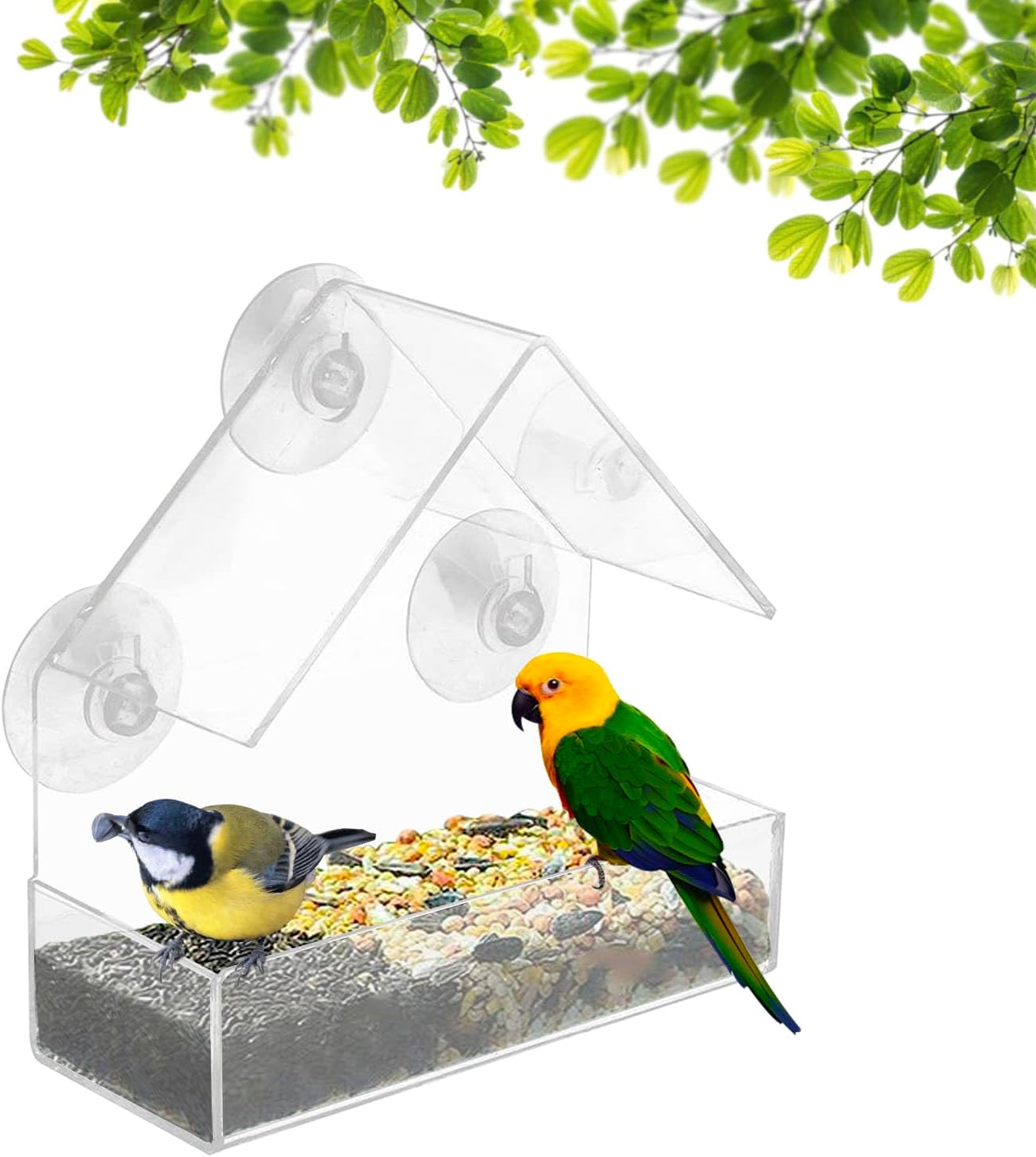 Visit on Amazon → Clear Window Bird Feeder with Extra Strong Suction Cups |
Any clean glass window, within three feet of where you sit | Clear acrylic you can see through, and the easiest feeder in the yard to take apart and rinse | Suction cups and hard freezes do not mix |
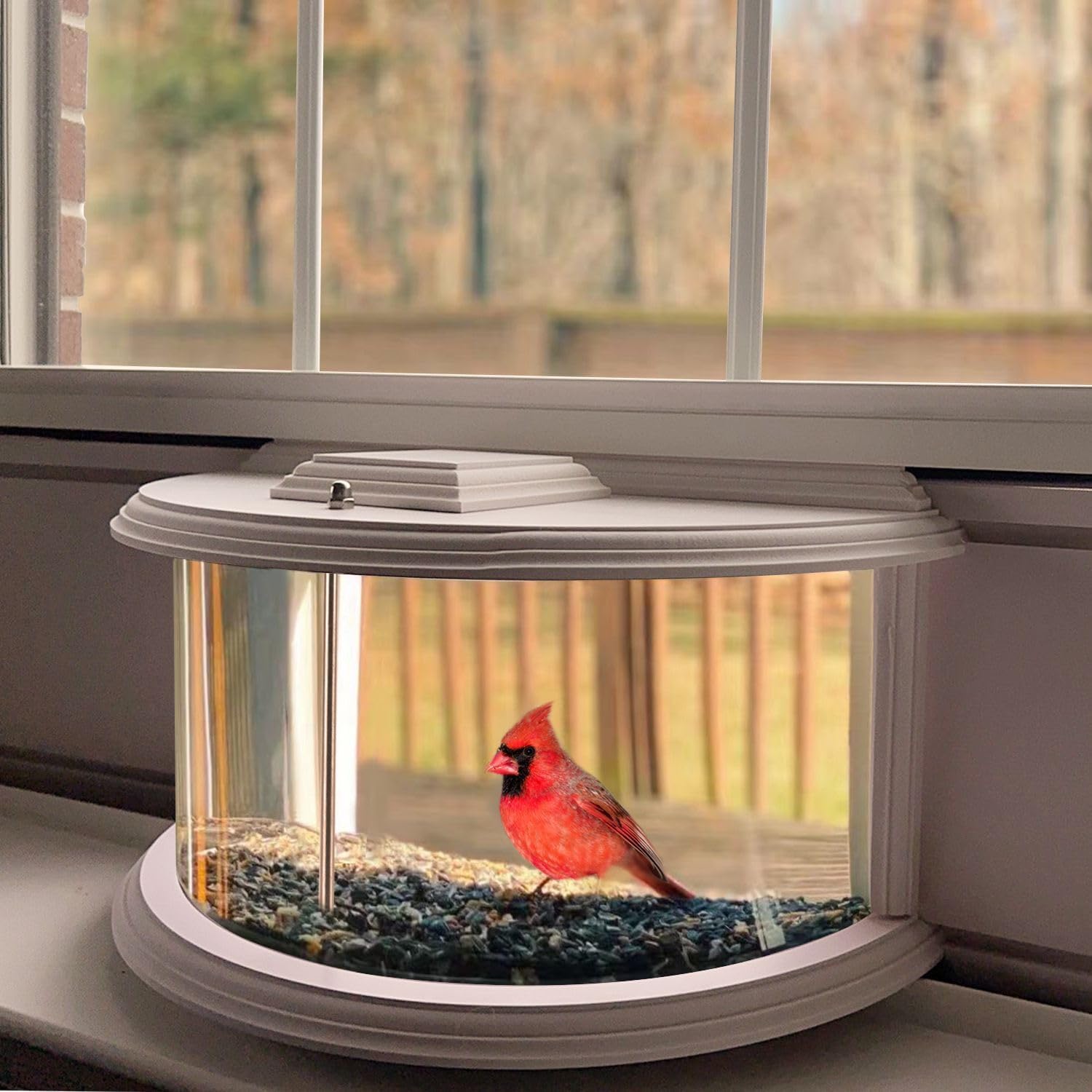 Visit on Amazon → 180° Clear View Window Feeder |
Windows 27 to 35 inches wide, in a room where you already sit | Wide mount keeps the tray in view from an angle, not just head on | Measure the glass before you order |
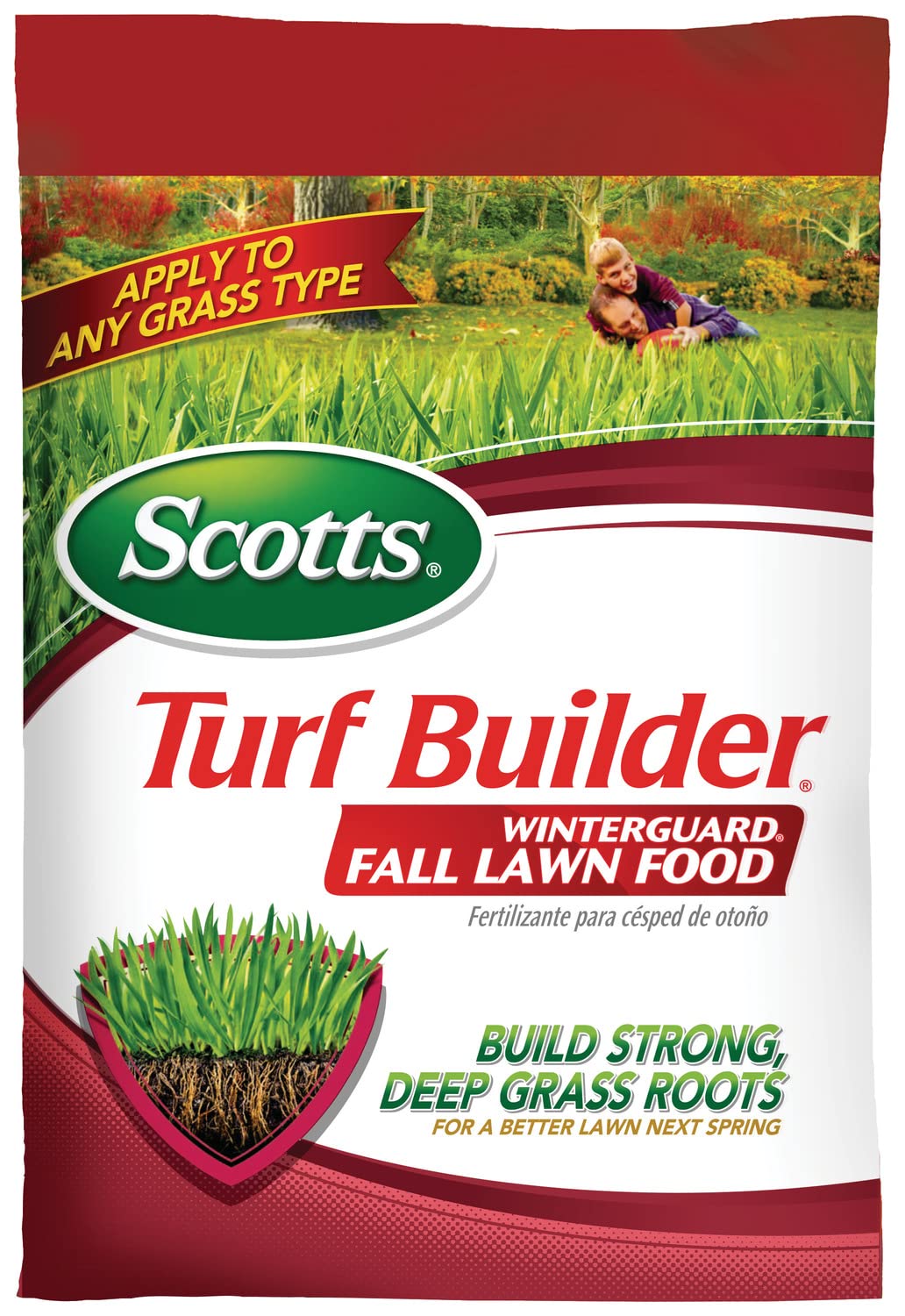 Visit on Amazon → Scotts Turf Builder WinterGuard Fall Lawn Food |
The thin turf under and around the feeders, never in the tray | One late-season application before the ground freezes | Follow the label rate, water it in |
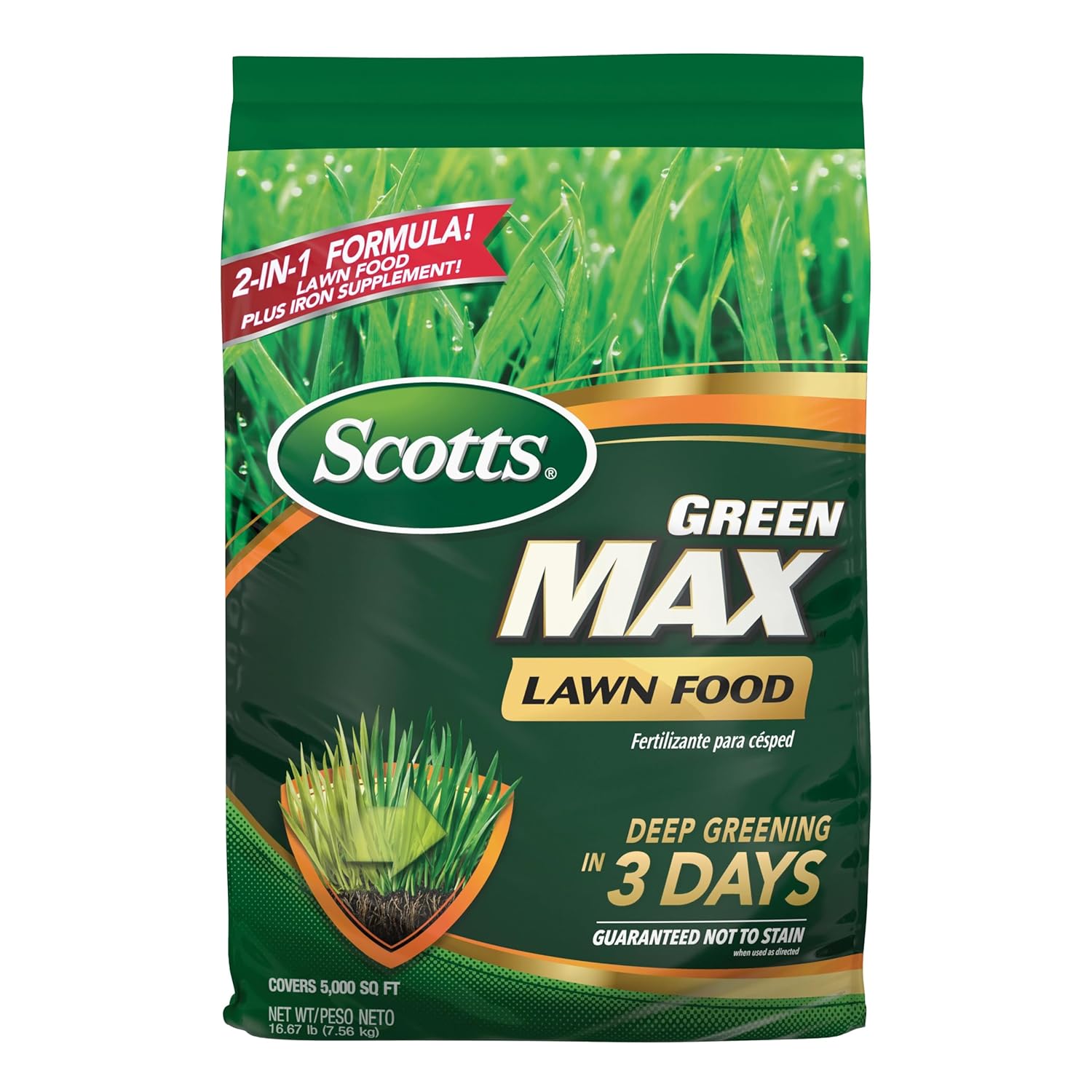 Visit on Amazon → Scotts Green Max Lawn Food |
Whole-yard fall feeding, front lawn and fence line | The bigger bag, for when the feeder strip is not the only bald spot | Keep granules out of the drop zone |
Should you buy the clear acrylic window feeder?
Yes, with one condition. If your window is sheltered, if your climate is mild, or if you are willing to bring the feeder in on the nights that drop hard, it is the best value in this guide and the fastest way to get birds at eye level. It hangs in seconds, it comes apart for cleaning, and it puts chickadees, nuthatches, and house finches two feet from your chair. If you get real winters and you want to hang it and forget it until March, this is not that feeder, and no suction cup feeder is.
Should you buy the 180° clear view window feeder?
Yes, if you have a window between 27 and 35 inches wide and you watch from an angle. The fit is the design, so measure first and do not guess. Put it in the room where you already spend your evenings, mount it within three feet of the glass, and it will outdraw a pole feeder you have to squint at from the kitchen.
Should you buy the fall lawn food?
Yes, if you have bare, muddy ground under your feeders and you want it to stop being bare and muddy. Buy the 10 pound bag to close out the season around the feeder strip, and the 16.67 pound bag when the whole yard needs the fall application. Keep it out of the trays, keep it off the drop zone, follow the label, and water it in. The birds will never thank you for it. The April lawn will.