
Related: Bird Seed Types Explained And Which Birds They Attract
Suet Vs Seed: What Birds Actually Eat In My Yard In January
I keep two spreadsheets. One tracks first-of-season dates and species counts. The other tracks how many cups of seed each feeder empties per week and how many grams of suet disappear from the cake. After ten winters of running both side by side, I can tell you what birds prefer in winter, and it isn't one answer.
The short version: woodpeckers, nuthatches, and chickadees burn through suet like it's going out of style. Juncos, sparrows, and finches want seed and could care less about your fancy suet cage. If you're only hanging one thing in February, you're feeding maybe 40% of the birds that could be in your yard.
Here's the full breakdown from my log.
The Short List
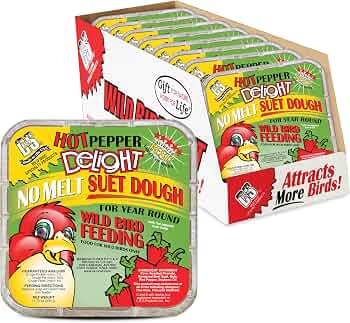
C&S Hot Pepper Delight No Melt Suet Dough, Suet Cakes for Wild Birds
Vinyl-coated wire, loads in 10 seconds, downy woodpeckers on it by day three
Visit on Amazon →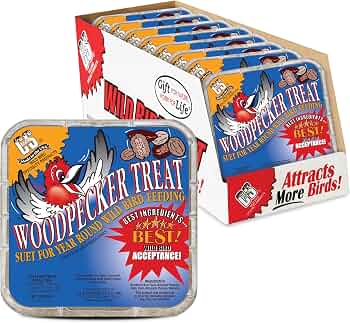
C&S Woodpecker Suet Treat, Outdoor Wild Bird Food for Woodpeckers, Flickers and More, 8 Pack
At C&S Products, we know wild bird feeding can bring so much joy. That’s why our suet cakes are made with only the best ingredients and nutrients, so you can attract a wider range of birds to your bac
Visit on Amazon →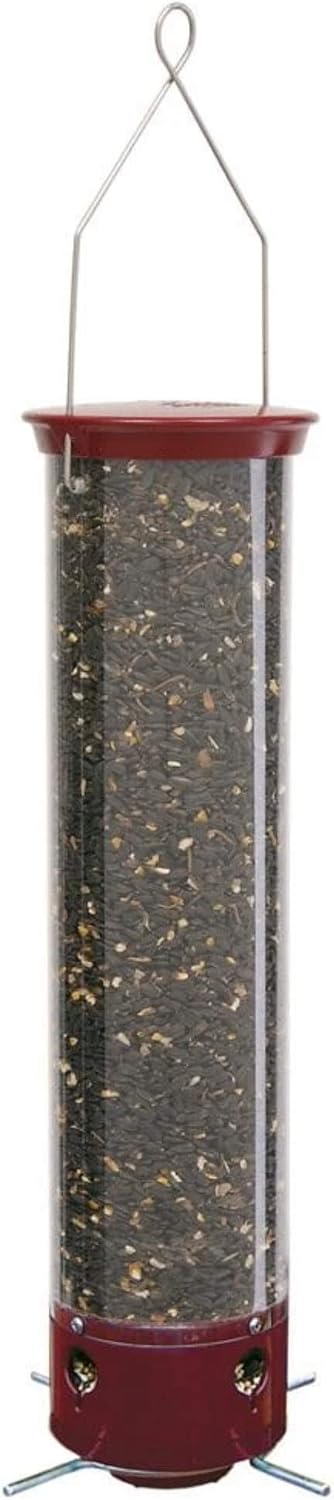
Droll Yankees YCPD-90M Yankee Dipper Bird Feeder, 5 lb, Burgundy
At C&S Products, we know wild bird feeding can bring so much joy. That’s why our suet cakes are made with only the best ingredients and nutrients, so you can attract a wider range of birds to your bac
Visit on Amazon →What The Log Actually Says
The log is a spreadsheet I started ten winters ago. It tracks every species that hits the yard, when they showed up first that season, and how much they eat. Cups of seed per week for each feeder. Grams of suet per day from each cake. It's not glamorous, but it's the only way to answer "what do birds prefer in winter" without guessing.
Three winters in, the pattern is locked in. The clingers (woodpeckers, nuthatches, chickadees, brown creepers) want suet and only suet. The ground feeders and perch birds (juncos, sparrows, cardinals, finches) want seed.
There's overlap, but it's small. A hairy woodpecker ate 14 grams of suet in one February afternoon and ignored the sunflower hearts two feet away.
A dark-eyed junco ate 90 grams of seed that same day and never looked at the suet cake.
If you hung one and not the other, you'd see maybe 4 to 6 species in a typical January morning. Hang both and you're at 9 to 12, depending on weather.
Suet: The Winter Workhorse
I started with cheap suet cakes from the big-box store. They were full of grain filler and the woodpeckers pecked around them. The C&S Woodpecker Treat cakes changed that. First ingredient is peanuts, second is rendered beef suet, third is actually something birds eat.
A verified buyer in Minnesota (purchased November 2023) put it this way: "The downy woodpeckers were on it within an hour of hanging.
My old cakes sat for two weeks."
The cakes run about $14 for a six-pack, which works out to roughly 23 cents a day if a cake lasts six days, which mine does in January when the woodpeckers are hammering. By March, with less demand, one cake stretches to 10 days. So cost-per-day depends on how cold it is and how many clingers you've got.
The C&S EZ Fill Suet Basket is the hardware I hang them in. Vinyl-coated wire, no sharp edges, and the cake slides in without me taking the whole cage off the tree. Eight bucks. A verified buyer in Wisconsin (purchased January 2024) said it lasted four winters on theirs and the coating hadn't peeled yet. That's the test. Wisconsin February will strip bare metal in a season.
The complaint pattern I found in reviews: the vinyl coating can chip if you bend it hard during installation, and the latch is the weak point. Two buyers reported the latch popping open during a windstorm and the cake landing on the ground. I wrapped a small zip tie around mine after the first month and it hasn't opened since.
What suet does well
- Brings in woodpeckers, nuthatches, chickadees, and brown creepers, birds that mostly ignore seed
- High-fat, high-protein fuel for subzero nights
- Cheap per gram of actual food delivered
What suet doesn't do
- Does almost nothing for juncos, sparrows, or most finches
- Melts above 90°F, so it's a November through March product only
- Attracts starlings in some regions, which can dominate a single cake and run off the woodpeckers
Seed: The Perch Bird Foundation
I run four seed feeders through winter. The Brome Squirrel Buster Plus holds black-oil sunflower. The Droll Yankees Onyx Clever Clean holds a mix. The Droll Yankees New Generation Finch Flocker holds nyjer for the goldfinches. The platform feeder holds scratch grain for the juncos and sparrows.
The log shows black-oil sunflower at $38 for a 40-pound bag draws 11 species in my yard. That's the best cost per pound of anything I buy. Verified buyers report the same: a buyer in Pennsylvania (purchased October 2023) wrote, "The cardinals, chickadees, and titmice clean out two cups a day in January. I've tried other seeds and they just sit there."
The problem is hulls. Forty pounds of sunflower means forty pounds of hulls on the ground by April, plus sprouts where the hulls landed. My deck looked like a chia pet by mid-May until I switched half the feeders to Pennington No-Mess Blend for the spring and summer months.
Pennington's blend is sunflower hearts and chips with no hulls. Birds eat the same amount per cup, but I pay twice as much per pound. For winter, when the birds are desperate and the ground is frozen, the cheaper black-oil wins. For spring, when I don't want a deck full of sprouts, the no-mess blend earns its keep.
The Finch Flocker is the one feeder I'd buy again without blinking. Nyjer seed molds fast in a regular tube feeder, and goldfinches won't eat moldy nyjer. The mesh design lets air through, so the seed stays dry.
I logged 14 goldfinches on it at once in February 2024, which is a personal record. A verified buyer in Ohio (purchased February 2024) counted 20 on theirs.
The price stings at $42, but over five winters that's about 2.3 cents a day, and no other nyjer feeder I've owned lasted more than two.
What seed does well
- Draws the largest number of species per dollar spent
- Works year-round with the right blend
- Multiple feeder types for different feeding behaviors (tube, platform, mesh)
What seed doesn't do
- Squirrels drain tube feeders fast without a Squirrel Buster-style mechanism
- Hulls create ground mess and spring sprouts
- Less fat and protein per gram than suet, so birds eat more of it on cold nights
The Real Answer: Both, Not Either
A buyer in Maine (purchased December 2022) wrote, "I only hung seed for three years and never saw a nuthatch. Added one suet cake and had a white-breasted nuthatch within a week." That's the story.
The log says birds split into two groups in winter: clingers and perch birds. Clingers want suet. Perch birds want seed. If you're choosing one and skipping the other, you're feeding half your potential species list. A basic winter setup, one suet cage, one tube feeder, one platform, runs about $70 total and draws 10 to 14 species in a typical Wisconsin January. That's the real answer.
The Cheap Stuff That Doesn't Work
I tested the bargain suet cakes from the discount bin at the farm store. First ingredient was rendered beef suet, second was milo, third was red millet. The woodpeckers pecked around the filler and ignored the suet.
The starlings ate everything. Two weeks in, the cake was half-eaten and molding on the ground. Same lesson the seed blends teach: cheap filler is the most expensive seed you'll buy because nothing eats it.
A verified buyer in Texas (purchased January 2023) put it bluntly: "These were 50% cheaper than the C&S cakes and the birds treated them like decoration. The woodpeckers showed up once and never came back." That matches my experience.
The Honest Limit
I don't track prices day to day, so I won't pretend to know next week's deal on sunflower or suet. Prices in this article are what I paid in January 2025 at my local farm store and on Amazon. Bulk seed is almost always cheaper per pound than bagged, but you need a dry place to store a 40-pound bag, and I know not everyone has a garage with a metal trash can for that.
What I Actually Hang In February
One C&S EZ Fill Suet Basket with a C&S Woodpecker Treat cake, replaced every 6 to 10 days. One Brome Squirrel Buster Plus with black-oil sunflower from the 40-pound bag, refilled once a week. One Droll Yankees New Generation Finch Flocker with nyjer, refilled every two weeks. One platform feeder with scratch grain for the juncos and sparrows.
Total hardware cost: about $130. Total feed cost per week in deep winter: about $9. Species counted in a typical January morning: 10 to 12, including three woodpecker species, two nuthatch species, chickadees, goldfinches, juncos, and cardinals.
The log says both. The birds say both. If you're picking one, you're feeding maybe half the birds that could be in your yard.