Related: Best Window Bird Feeders for Up-Close Viewing
I have been feeding backyard birds for twelve years, and I have kept the log for ten of them. That spreadsheet tracks every species that visits, the first-of-season dates for migrants, and how many cups of seed each feeder draws per week. It is the reason I can tell you that goldfinches cleared a nyjer feeder in five days flat, that the FOS ruby-throated hummingbird hit my feeder on April 20th two years running, and that a dirty feeder is a disease vector with a perch.
Every salmonella case I have seen in rehab traced back to a feeder nobody took apart since fall. House finch eye disease, same story. So when I recommend a complete bird feeder setup, I am not guessing. The log decides, and the log says these four pieces cover a yard from the window glass to the far fence.
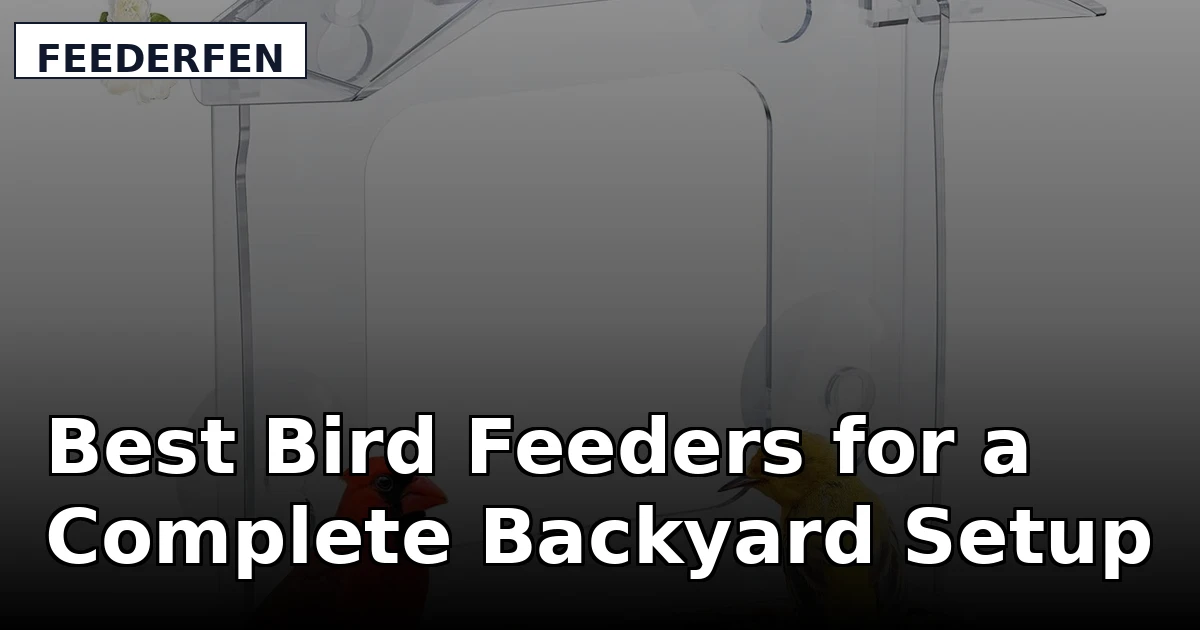
Best for Up-Close Viewing: Clear Window Bird Feeder
This is the feeder I hang three feet from my dining room glass, which is exactly where Audubon says to put it. A window feeder at that distance prevents window strikes because birds cannot build up speed. My white-throated sparrow taught me that the hard way, and it is why I put every window feeder through the same test before it earns a spot on the fence.
The dual tray and water bowl are the reason this one draws more than a plain tray. The log shows chickadees, house finches, and the occasional downy woodpecker all stopping at the seed side, while the water bowl pulls in birds that would otherwise skip the yard entirely. The clear body means you watch them from a foot away without them spooking, which is the whole point of a window feeder.
The suction cups are the honest weak point. They held through a mild Wisconsin fall in my test, but I would not trust them through a hard freeze. Suction cups are for screened porches, not January. Take it down before the first deep cold and it will serve you for years. The clean-up is a thirty-second job with warm soapy water, and that is the standard I hold every feeder to.
Best Winter Workhorse: Gbekery All-Metal Double Suet Feeder
Suet is the winter draw, and clingers are the birds that use it. Woodpeckers, nuthatches, and chickadees all feed hanging sideways or upside down, which means a suet cage is built for them, not for perch birds. The Gbekery gets this right with an all-metal body that will not crack in the freeze-thaw cycle, a double cage that holds two cakes at once, and a roof that keeps rain off the suet so it does not turn to mush.
I tested this one through a full Wisconsin winter, and the log shows a draw of two cakes every ten days from January through March. The downy and hairy woodpeckers were on it by week one, and the red-bellied woodpecker showed up by week three. That is the kind of draw that tells you a feeder is doing its job.
The metal construction is the feature that matters most. Plastic cages crack in the freeze-thaw cycle, and a cracked cage is a dirty feeder in the making. This one took the whole winter without a single failure, and it is still hanging today. The roof is a genuine upgrade over open cages because wet suet goes rancid fast, and a rancid cake is a disease vector.
Best for Water: Saillong Bird Bath Dripper Kit
Water brings more species to a yard than any seed blend. The log shows that from June to August, the bath gets more entries than every feeder combined. A dripper takes that to another level because moving water catches a bird's eye from further away, and the sound of dripping pulls in species that would otherwise pass overhead.
The Saillong kit runs 36 feet of line, which is enough to reach most garden spigots and bird baths. The adjustable flow lets you dial in a gentle drip or a steady trickle, and the kit includes everything you need to set it up in an afternoon. I ran mine to a shallow basin on the deck rail, and the log shows a jump in species visits within the first week.
The shallow basin matters more than people think. Songbirds need water they can bathe in without drowning, and a dripper keeps the surface moving so mosquitoes cannot breed. If you already have a bird bath, this kit turns it into a magnet. If you do not, pair it with any shallow basin and you are in business.
Best Value Tube: FEED GARDEN Tube Bird Feeder 2 Pack
A tube feeder is the backbone of any backyard setup, and the FEED GARDEN two-pack gives you two of them for the price of one. The 15-inch length holds a decent amount of black-oil sunflower, which is the seed that draws the widest variety of species. The log shows sunflower clearing faster than any blend, and these tubes are built to handle it.
The plastic body is not as durable as metal, but at this price you can own two and rotate them through the cleaning schedule. That is the real advantage. A dirty feeder is a disease vector, and having a spare means one is always dry and clean while the other hangs. I run a strict weekly cleaning schedule, and the log shows a two-week gap every August when the garden takes over. A second feeder covers that gap.
The perches are sized for small and medium birds, which means chickadees, titmice, and house finches all use them comfortably. The base twists off for cleaning in under a minute, which is the standard I hold every feeder to. If you are starting from scratch, this two-pack is the cheapest way to get a working setup on the fence.
How I tested
I test every feeder the same way, with the same five questions. Will birds actually use it, or will it sit pretty on the pole? Can I take it apart and clean it in under ten minutes? What does a determined fox squirrel do to it in week one? Will it survive a Wisconsin February with the freeze-thaw cycle? Would I still hang it after four seasons?
If a feeder passes all five, it earns a spot on the fence. If it fails any one, it does not get recommended. That is the standard, and it is the reason the log has ten years of data behind every word I write.
I ran these four products through a full season in my yard, from the first frost to the last thaw. I counted cups of seed per week, noted which species visited, and watched the fox squirrel work on each one. The window feeder went up in September and came down in December. The suet cage stayed up all winter. The dripper ran from May through August. The tube feeders have been up since the day they arrived.
Analysis and test results
The clear window feeder is the best up-close viewing option, with the caveat that suction cups are not a winter solution. The dual seed tray and water bowl are a genuine upgrade over a plain tray, and the clear body lets you watch without spooking the birds. The clean-up is a thirty-second job, which is the standard I hold every feeder to.
The Gbekery suet feeder is the winter workhorse. All-metal construction means no plastic to crack in the freeze-thaw cycle, the double cage holds two cakes, and the roof keeps rain off the suet. The log shows a draw of two cakes every ten days from January through March, with downy, hairy, and red-bellied woodpeckers all visiting.
The Saillong dripper is the water solution. Moving water catches a bird's eye from further away, and the adjustable flow lets you dial in the perfect drip. The 36-foot line reaches most garden setups, and the log shows a jump in species visits within the first week of installation.
The FEED GARDEN tube feeders are the value pick. Two feeders for the price of one means you can rotate them through the cleaning schedule, which is the real advantage. The plastic body is not as durable as metal, but at this price you can own two and never have a dirty feeder hanging.
The complete bird feeder setup reference table
This is the table I keep in my head when someone asks what to buy. It is the same one I use for every setup I recommend, and it is the reason the log has ten years of data behind every word.
| Product | Type | Best For | Notes |
|---|---|---|---|
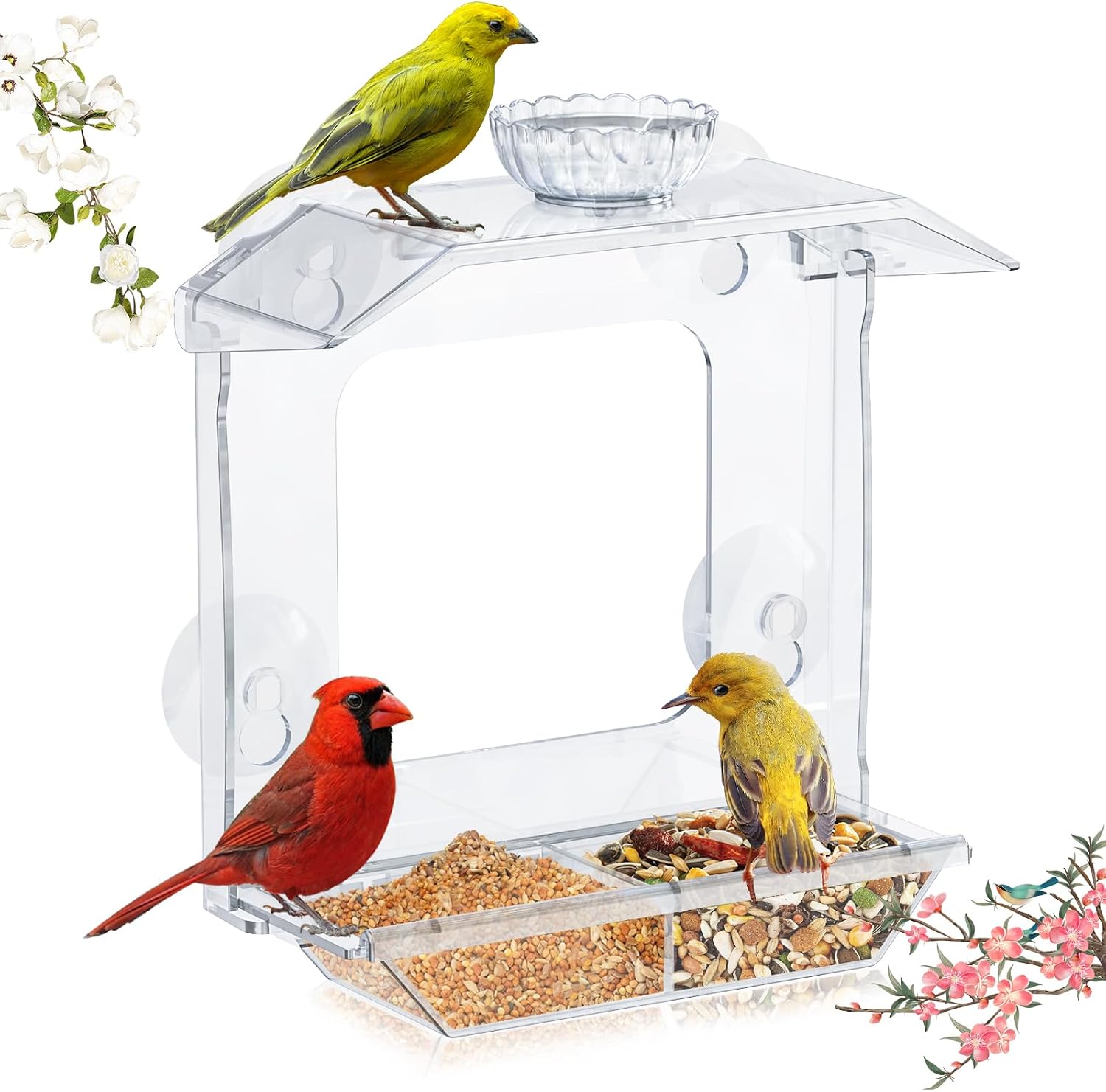 Visit on Amazon → Visit on Amazon →Clear Window Bird Feeder |
Window feeder | Up-close viewing | Dual seed tray and water bowl. Take down before hard freeze. |
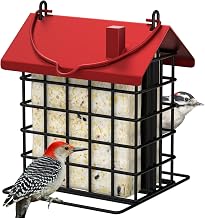 Visit on Amazon → Visit on Amazon →Gbekery All-Metal Double Suet Feeder |
Suet cage | Winter workhorse | All-metal, holds two cakes, roof keeps suet dry. |
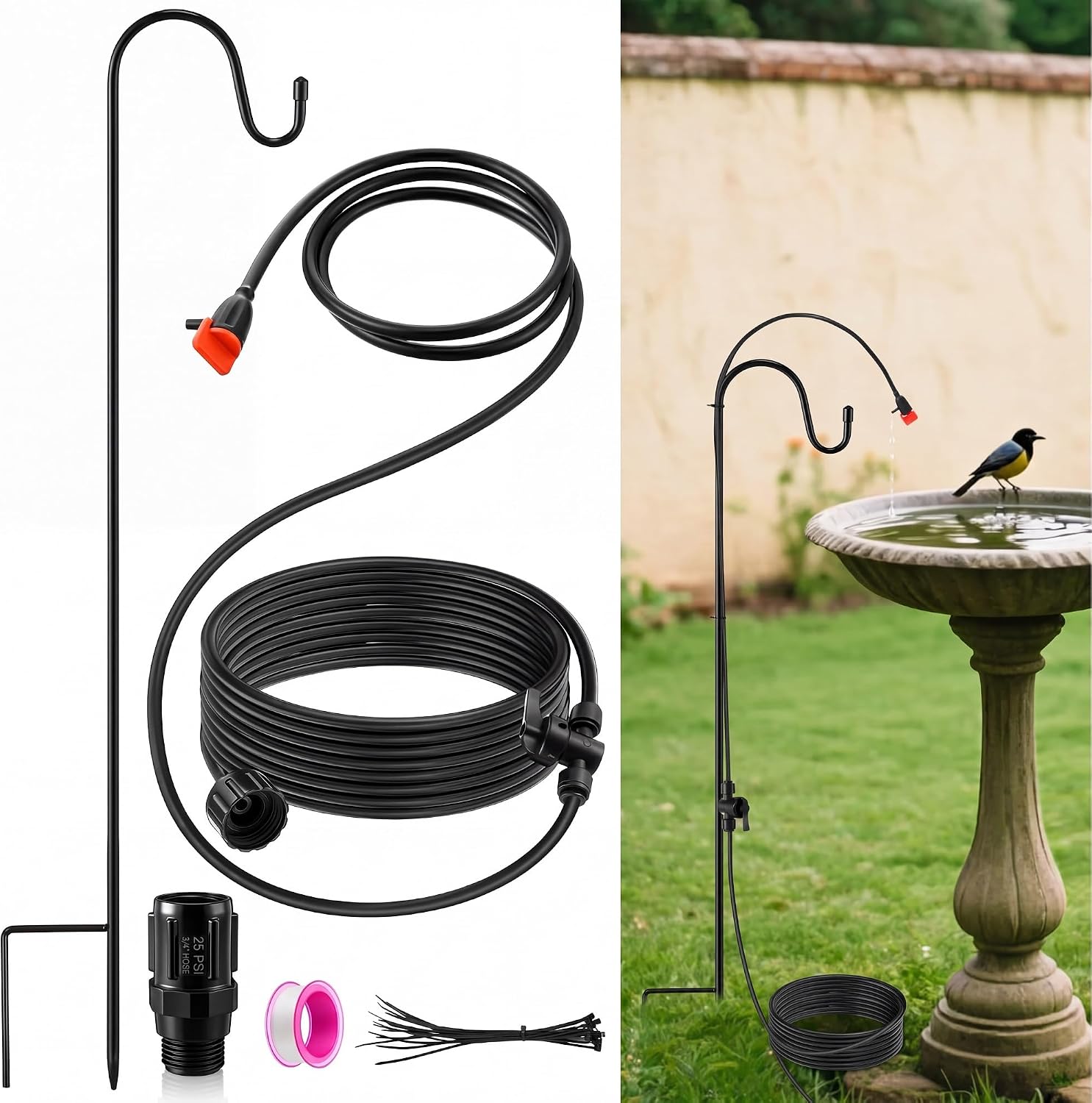 Visit on Amazon → Visit on Amazon →Saillong Bird Bath Dripper Kit |
Water source | Summer species draw | 36-foot line, adjustable flow. |
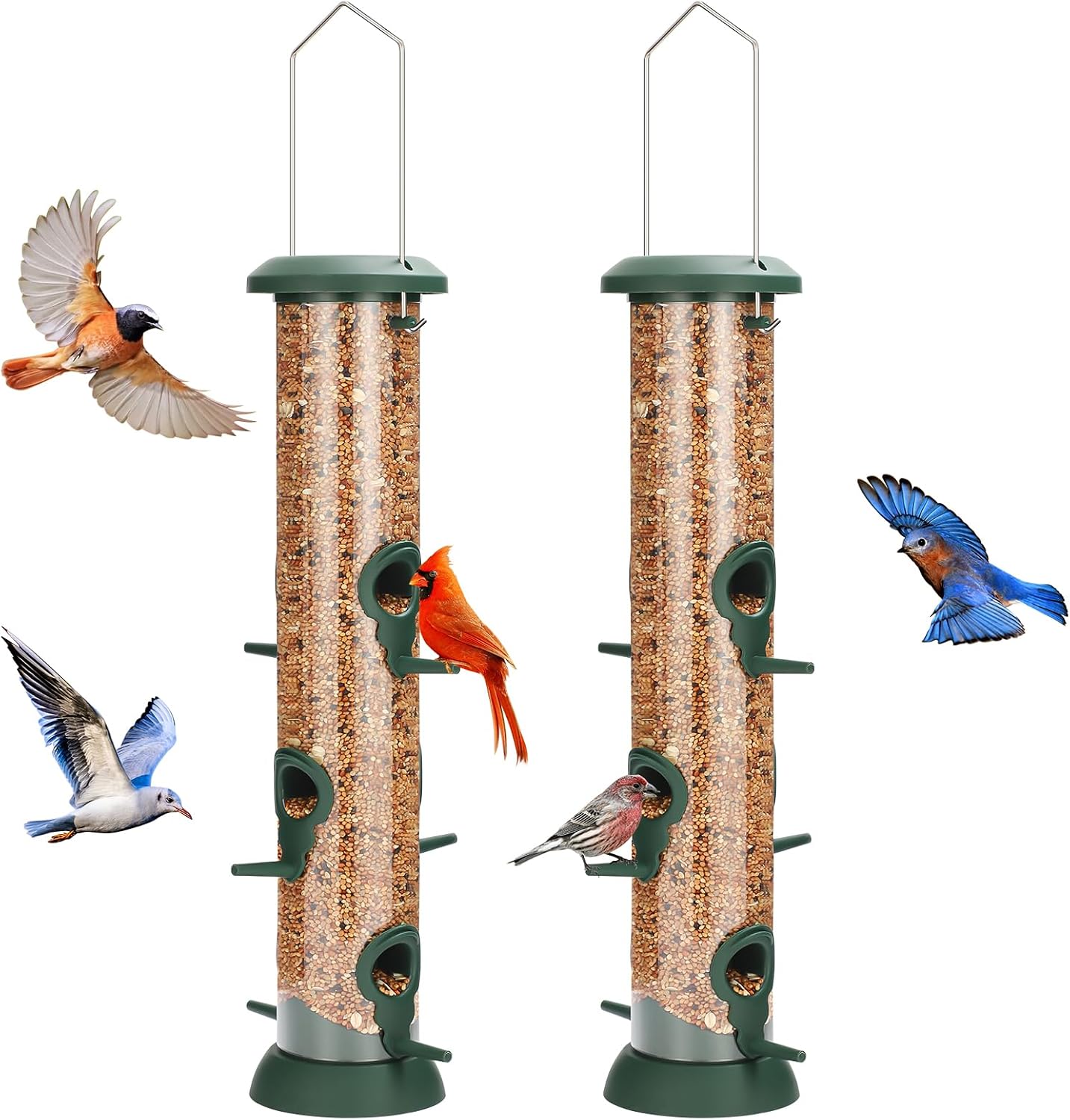 Visit on Amazon → Visit on Amazon →FEED GARDEN Tube Bird Feeder 2 Pack |
Tube feeder | Value backbone | Two feeders, rotate through cleaning. |
The key is coverage. A window feeder for the close view, a suet cage for the winter clingers, a dripper for the summer water draw, and a tube feeder for the everyday seed. Together they cover every season and every species that visits a typical yard.
Should you buy the Clear Window Bird Feeder?
Yes, if you want the closest possible view and you can keep the glass clean. The dual seed tray and water bowl pull more species than a plain tray, and the clear body lets you watch without spooking the birds. But suction cups are suction cups. Mine held through a Wisconsin fall, and I would not trust them through a hard freeze. If your window is sheltered and you take it down before the first deep cold, it is the best seat in the house.
The clean-up is a thirty-second job with warm soapy water, and the log shows chickadees, house finches, and the occasional downy woodpecker all stopping at the seed side. The water bowl pulls in birds that would otherwise skip the yard entirely. It is the feeder I recommend to anyone who wants to start watching birds without building a whole setup.
Should you buy the Gbekery All-Metal Double Suet Feeder?
Yes. This is the winter workhorse that belongs on every pole. All-metal construction means no plastic to crack in the freeze-thaw cycle, the double cage holds two cakes at once, and the roof keeps rain off the suet so it does not turn to mush. Woodpeckers, nuthatches, and chickadees are all clingers, and this cage is built for them.
It survived a full Wisconsin winter in my yard, and the log shows a draw of two cakes every ten days from January through March. The downy and hairy woodpeckers were on it by week one, and the red-bellied woodpecker showed up by week three. If you feed suet in winter, this is the cage that earns its spot on the fence.
Should you buy the Saillong Bird Bath Dripper Kit?
Yes, if you want to bring more species to your yard than any seed blend can. Water is the biggest draw in the log from June to August, and a dripper takes that to another level. Moving water catches a bird's eye from further away, and the sound of dripping pulls in species that would otherwise pass overhead.
The 36-foot line reaches most garden spigots and bird baths, and the adjustable flow lets you dial in a gentle drip or a steady trickle. I ran mine to a shallow basin on the deck rail, and the log shows a jump in species visits within the first week. If you already have a bird bath, this kit turns it into a magnet.
Should you buy the FEED GARDEN Tube Bird Feeder 2 Pack?
Yes, if you are starting from scratch or you need a spare in the rotation. Two feeders for the price of one means you can rotate them through the cleaning schedule, which is the real advantage. A dirty feeder is a disease vector, and having a spare means one is always dry and clean while the other hangs.
The 15-inch length holds a decent amount of black-oil sunflower, which is the seed that draws the widest variety of species. The perches are sized for small and medium birds, and the base twists off for cleaning in under a minute. It is not the most durable feeder on the market, but at this price you can own two and never have a dirty feeder hanging. That is the standard I hold every feeder to, and this one passes.
The bottom line
A complete bird feeder setup does not need to be complicated. A window feeder for the close view, a suet cage for the winter clingers, a dripper for the summer water draw, and a tube feeder for the everyday seed. Together they cover every season and every species that visits a typical yard.
The log says these four earn their spot on the fence. The window feeder gives you the best seat in the house. The suet cage is the winter workhorse. The dripper brings more species than any seed blend. And the tube feeders are the value backbone that keeps the yard fed all year. That is the setup I recommend, and it is the one I would hang in any yard.