Related: Best Bird Feeders for Small Yards: Tubes, Saucers, and Squirrel Math
Most backyard bird feeding gear fails for one of two reasons: it is a chore to take apart, or it is a puzzle a squirrel solves in a week. The finish, the roof, the color of the copper, all of that is decoration. Birds do not read listings.
I keep the log, ten years of it now. Every species that hits the yard, first-of-season dates for the migrants, cups of seed per feeder per week. The log is why this list is short: four pieces of gear for a small feeding station, three of them feeders and one of them not a feeder at all.
Here is the shape of it. A six-port tube feeder does the daily work. A saucer hummingbird feeder carries the summer, and the two-pack version is the one I would buy. A five-pound seed tote is the unglamorous item that keeps seed dry and off the garage floor. The fourth product is a lock box shaped like a dictionary, and I will tell you exactly why it is here and who should skip it.
One more thing before the picks. Water brings more species to a yard than any seed blend, and a feeder's real spec is how fast it empties and how easy it is to clean. Hold those two sentences in mind and most of the gear in a store aisle sorts itself out.
Best Overall: iBorn 6-Port Chew-Resistant Tube Feeder
Six ports is the spec I check first on a tube, and it is why this one leads the list. A two-port tube feeds one bossy house finch at a time while everybody else waits on the fence. Six ports let a flock land at once, which means less squabbling at the perch and a faster draw. For a small yard, that is the whole ballgame.
The chew-resistant label deserves a careful read. Chewing is what squirrels and raccoons do to plastic ports, and resistant is not the same word as proof. Nothing earns the word squirrel-proof around here without three weeks of a fox squirrel working on it. For almost every feeder on the market, including this one, the honest word is resistant, and the honest question is how long it holds.
The copper finish is a finish. Copper weathers, and a weathered feeder on a pole still looks like a feeder on a pole. Birds do not care.
What I would check before hanging it: whether the base comes off. A tube that does not come apart is a hose-spray feeder, and a hose spray is not cleaning. Take the base off, brush the ports, let everything dry, and do it weekly. Every salmonella case I have seen come through rehab traced back to a feeder nobody took apart.
Best for Hummingbird Season: eWonLife 16 oz Saucer Feeder, 2 Pack
Saucer style is the design I point people to after they have fought a dripping tube feeder all June. The nectar sits in a shallow dish under a lid with the ports on top, so there is no column of sugar water hanging over the yard and no steady drip onto the deck. The 16 oz size suits a yard with a few resident birds, and the wide top is the part that matters most, because a hummingbird feeder that takes ten minutes to clean becomes a mold experiment by August.
The two-pack is the real argument. Sugar water goes bad faster than seed, so hummingbird feeders get washed more often than anything else on the pole. With two, one hangs while the other is rinsed and drying, and you never hang a wet feeder just because the dry one is not ready yet.
Skip the red dye. It is unnecessary, it is not doing the birds any favors, and plain sugar water at one part sugar to four parts water is what belongs in the dish.
I hang mine in the third week of April, when the first ruby-throated shows up in the log, two years running on the 20th. Hang yours where you can see it from the kitchen, because you will check it every morning anyway.
Best Support Gear: More Birds 3-in-1 Super Tote, 5 lb
This is the least glamorous item in the guide and the one I would buy first. Five pounds is not bulk storage, and it is not meant to be. The big bag of sunflower hearts stays in the bin; the tote is what you carry out to the pole, which is the trip where seed ends up on the garage floor and where an open bag starts pulling moisture off the concrete.
The name says three jobs in one. I only need one of them to work well: seed moves from the bin to the feeder without a scoop and without a trail behind me. Look for a lid that closes tight, because a tote that does not seal is a tote holding a five-pound clump by November.
If you are running one or two feeders, five pounds is a sensible working amount. If you are filling six feeders every few days, skip the tote and buy a bucket with a lid, then use this size for the nyjer and the no-mess blend you keep separate. Buying in bulk is cheaper per pound, but only if the seed stays dry.
The Odd One Out: Tahoe Trails Book Safe
Straight talk: this is not a feeder, and it will not feed a bird. It is a metal box with a key lock, shaped like a dictionary, 9.5 by 6.1 by 2.2 inches, sized to sit on a shelf and look like something nobody wants.
So why is it in a bird feeding guide? Because of where the gear lives. Feeders, seed, cleaning brushes, the spare hook, the suet cakes in the freezer bag: most of that ends up in a garage, a shed, or on a shelf by the back door, and that is usually the least locked square footage in the house. A diversion safe is a low-profile place for the small stuff, spare keys, cash for the next seed run, a card you would rather not leave on the workbench.
It is an indoor item. The listing does not claim it is weatherproof, and a metal book on a deck rail in February is a bad idea for reasons that have nothing to do with birds. Put it on a shelf inside, near where you keep the log.
If you came here for feeders, skip this one. If your seed budget walks out of an unlocked garage every spring, it is a cheap way to slow that down.
How I judge backyard bird feeding gear
Five questions, the same five every time, and they are the reason this guide is four items long instead of fourteen.
- Will birds actually use it, or will it hang there looking pretty?
- Can I take it apart and clean it in under ten minutes?
- What does a determined fox squirrel do to it in week one?
- Will it survive a Wisconsin February, freeze, thaw, freeze?
- Would I still hang it after four seasons?
Anything that fails one of those questions comes off the pole. That is why squirrel-proof is a marketing word in my write-ups and squirrel-resistant is the real one, measured in weeks. It is why no hummingbird feeder gets recommended without a rinse-in-under-a-minute check. It is why the tote here is judged on its lid rather than its color, and why the book safe is described as what it is instead of dressed up as gear.
The backyard bird feeding gear reference table
This is the table I keep taped inside the seed bin lid. Sizes and capacities come from the listings, and every row gets the same three questions in my head: does it hold up, does it clean up, and does it earn its spot on the pole.
| Gear | Job at the station | Size and capacity | Price |
|---|---|---|---|
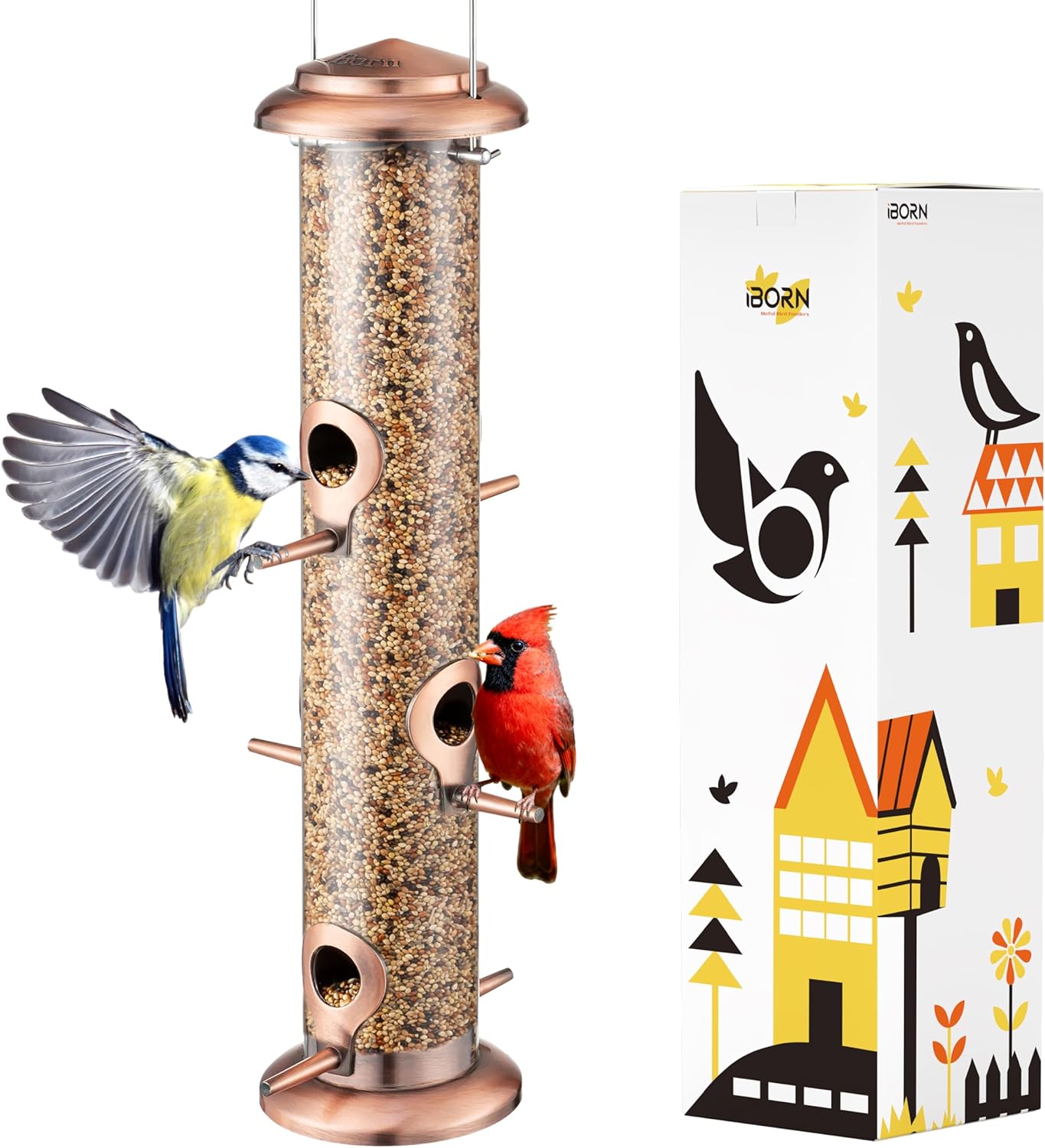 Visit on Amazon → Visit on Amazon →iBorn 6-port chew-resistant tube feeder |
Daily seed feeder | 15 inch tube, 6 ports, 1 pack | $19.99 |
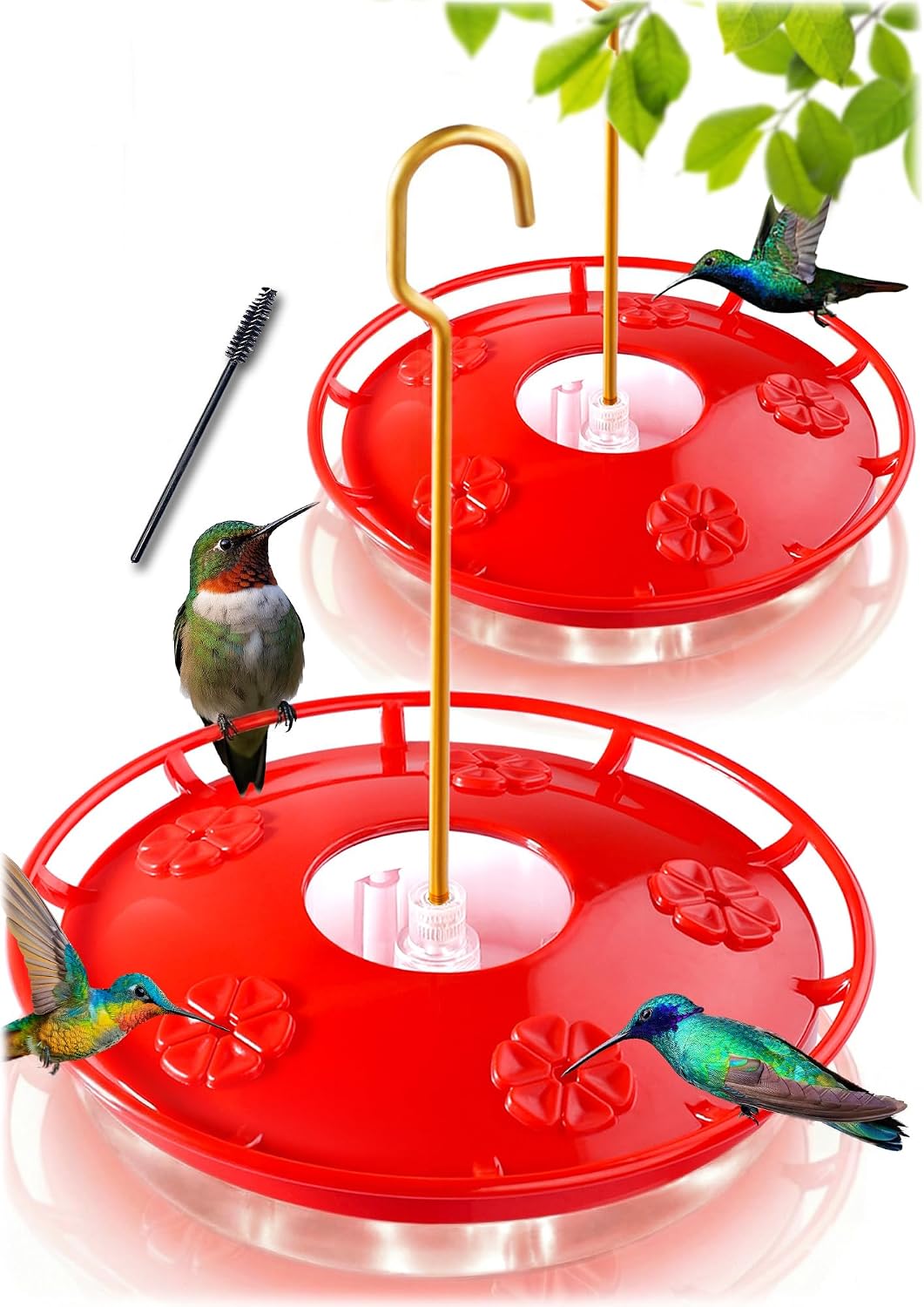 Visit on Amazon → Visit on Amazon →eWonLife saucer hummingbird feeders |
Summer nectar feeder | 16 oz saucer, 2 pack | $16.99 |
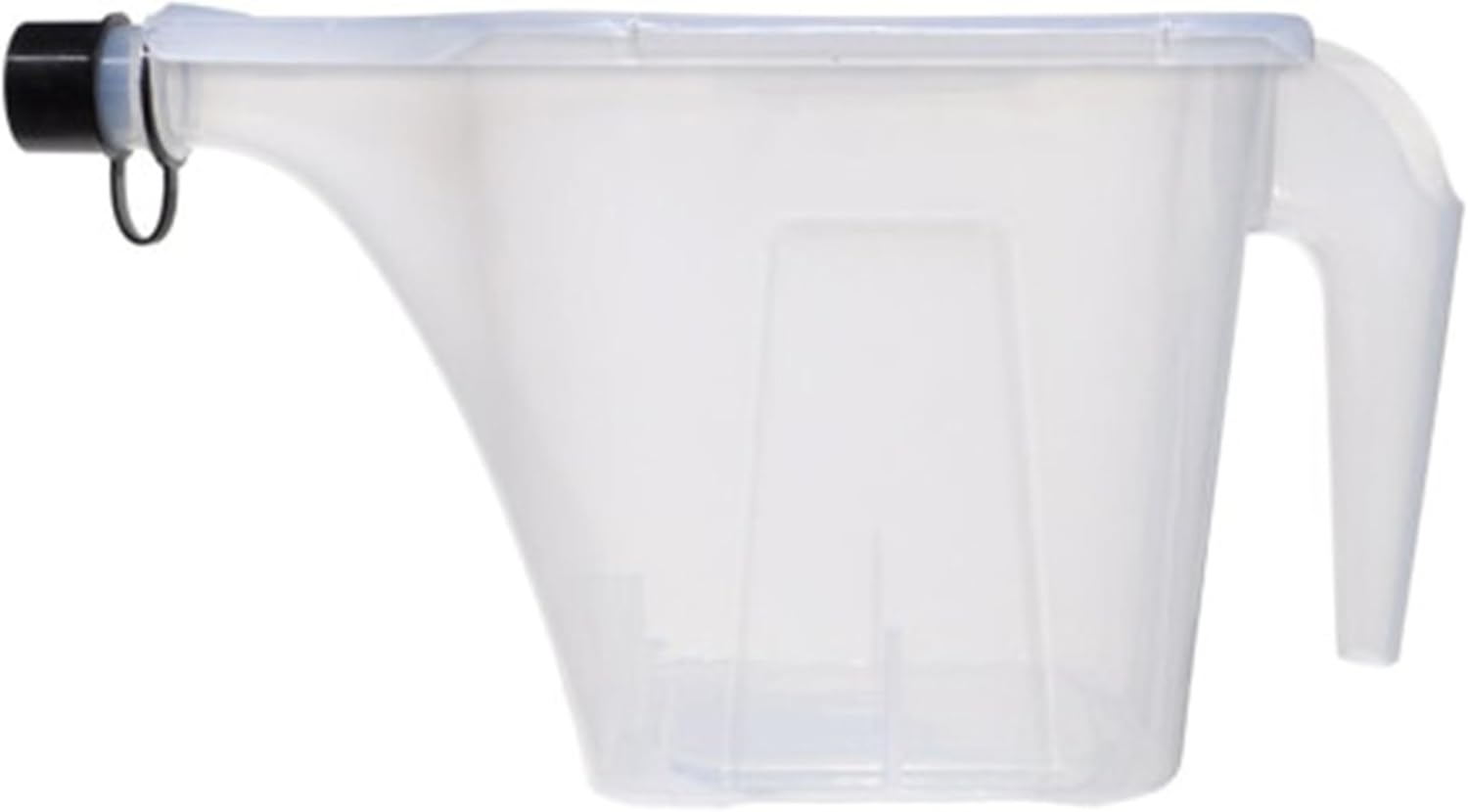 Visit on Amazon → Visit on Amazon →More Birds 3-in-1 Super Tote |
Seed handling | 5 lb capacity | $14.99 |
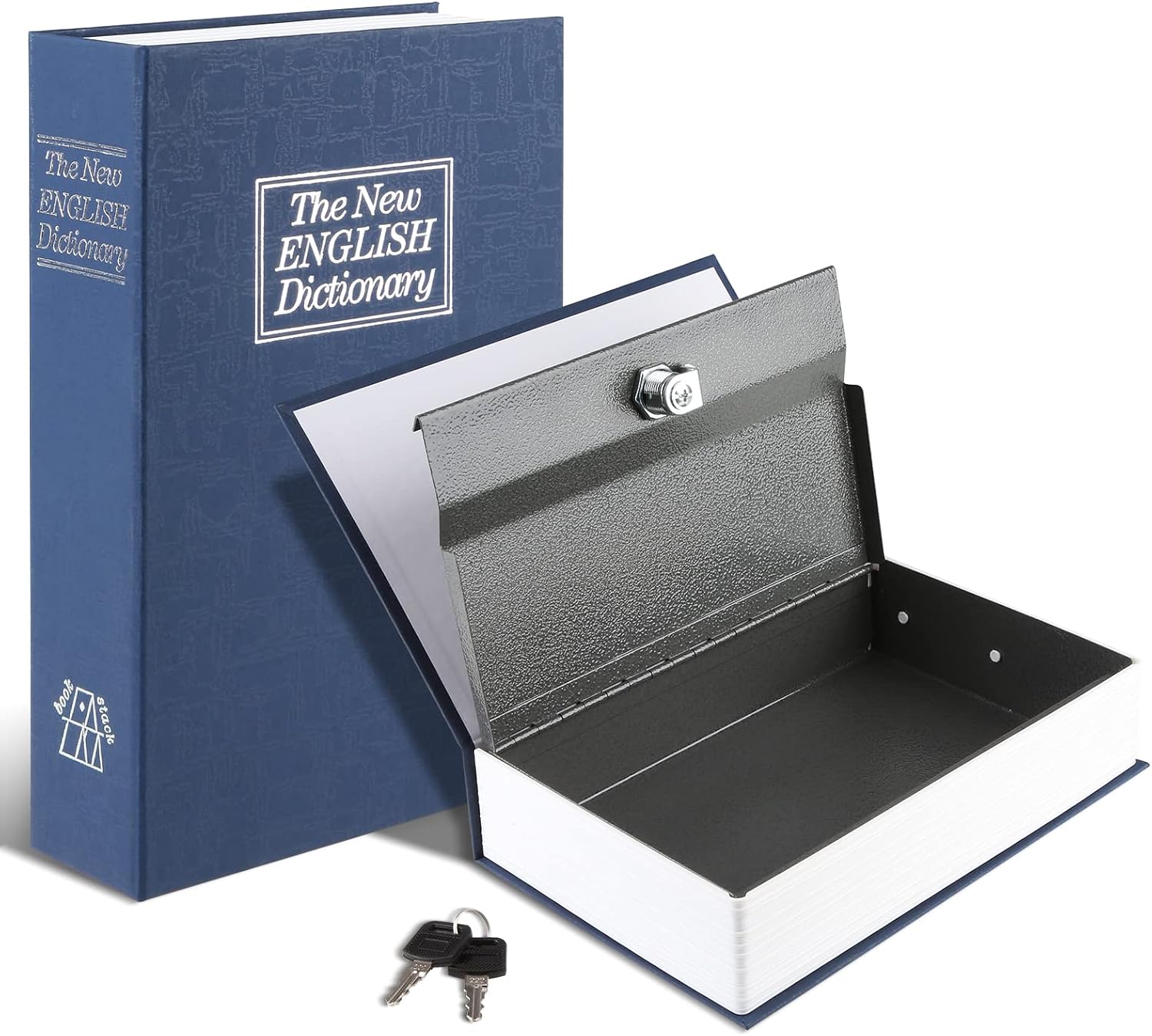 Visit on Amazon → Visit on Amazon →Tahoe Trails book safe |
Not a feeder | 9.5 x 6.1 x 2.2 inches | $14.99 |
What the table does not tell you
It does not tell you the draw, the cleaning time, or what a squirrel does in week one, because those are the things a season teaches you and a listing never will. A capacity number is a starting point. Cups per week is the number that decides whether a feeder stays on the pole, and the only way to get it is to hang the thing, fill it, and write down what disappears.
Should you buy the iBorn 6-port tube feeder?
Yes, if you want more birds at once and less fighting at the perch. Six ports is the reason it heads this list, and a 15 inch tube is a sensible size for a small yard. Two cautions. Chew-resistant is a claim, not a guarantee, so watch it the first few weeks and see whether the ports hold up. And check that the base comes off before you hang it, because a tube you cannot take apart is a dirty feeder by March. Check current Amazon price.
Should you buy the eWonLife saucer feeder two-pack?
Yes, and buy the two-pack rather than a single. One hangs while the other dries, which is how a sugar water feeder stays clean through July. Saucer style keeps the nectar out of a dripping column, the 16 oz size fits a small yard, and the wide top is the part that decides whether you actually wash it. Mix plain sugar water, skip the dye, and clean it more often than you think you need to. Check current Amazon price.
Should you buy the More Birds Super Tote?
Yes, if seed currently lives in an open bag on a garage floor. Five pounds is a working amount, not bulk storage, and that is exactly what you want in a tote you carry to the pole twice a week. Judge it on the lid. If it seals, your seed stays loose and your floor stays clean. If you fill six feeders at a time, buy a bucket instead. Check current Amazon price.
Should you buy the Tahoe Trails book safe?
Buy it if your feeders, seed, and cleaning brushes live in an unlocked garage or shed and you want a low-profile place for spare keys, cash, or small valuables. Do not buy it expecting anything to do with birds. It is a metal box with a key lock that looks like a dictionary on a shelf, it is an indoor item, and that is the whole pitch. Check current Amazon price.