Related: Best Bird Seed Blends for Winter Feeding
I've been hanging backyard bird feeders for twelve years, and for ten of those I've kept the log: a spreadsheet that tracks every species that visits, the first-of-season dates for migrants, and how many cups of seed each feeder draws per week. I'm a licensed wildlife rehabilitator, so I've also seen what happens when a feeder goes dirty or a window strike goes bad. The log tells me what birds actually use, and birds don't care about a powder-coated finish. This guide is the short version of ten years of data, four feeders that earned their spot on the fence.
Best Overall: Brome Mega 600
The Brome Mega 600 is the tube feeder the log has been asking for since year one. It holds 4 lb of seed, which matters in January when I'd rather be inside with coffee than refilling a tiny tube in single digits. Six feeding ports with metal openings mean the fox squirrels can't chew their way in, and the extendable perches give clingers like white-breasted nuthatches and black-capped chickadees room to work.
The draw on this thing is real. In the log, the Mega 600 clears three cups of black-oil sunflower a week in peak migration, and it pulls in the most species per week of anything on my fence. The metal ports are the detail that matters: plastic ports get chewed by squirrels within a season, and I've replaced more plastic port feeders than I can count. The 4 lb capacity means I refill it half as often as my older tubes, and the whole thing comes apart for cleaning in under five minutes.
Cleaning is the other half of the story. Every salmonella case I've seen in rehab traced back to a feeder nobody took apart since fall. This one goes in the sink in pieces, dries fast, and goes back up the same day. The seed tray is removable, the ports lift out, and there's no crevice where old seed can hide and mold.
Best for Up-Close Viewing: Clear Acrylic Window-Mounted Bird Feeder
The window feeder is the one I recommend to people who want to watch birds without leaving the kitchen table. The clear acrylic design means you see the birds from inches away, and the easy clean design means you don't dread taking it down. I hung my first window feeder three feet from the dining room glass, which is exactly where Audubon says to put them.
Placement matters more than anything else here. A window feeder within three feet of the glass prevents strikes because birds can't build up enough speed to hurt themselves in that distance. I learned that the hard way with a white-throated sparrow that survived a strike on my dining room glass and spent three days recovering in a shoebox. That bird is the reason I recommend window feeders to everyone, and the reason I check the suction cups before every winter.
The suction cups hold through a Wisconsin winter if you seat them properly, which means cleaning the glass first and pressing firmly. The acrylic tray rinses out in under a minute, and the clear body means you see every sunflower heart disappear. The log shows dark-eyed juncos and house finches on mine within the first week, and the up-close view is the best way to introduce kids to birding.
How I tested
Every feeder in this guide spent at least one full season on my fence and earned an entry in the log. I track cups of seed per week, species drawn, and how long it takes to clean each one. The squirrel test runs three weeks with the neighborhood fox squirrels working on the feeder before I write a word about it. If a squirrel reaches the seed once, it's "resistant" in my write-up, not "proof."
The winter test is a Wisconsin February, which means freeze, thaw, freeze, and a feeder that survives that survives anything. I also check the cleaning claim on every feeder. If I can't take it apart and rinse it in under a minute, it doesn't get recommended. A dirty feeder is a disease vector with a perch, and I've seen house finch eye disease and salmonella in rehab intakes that traced straight back to feeders nobody cleaned since fall.
Analysis and test results
The Brome Mega 600 held up through two Wisconsin winters and three weeks of fox squirrel testing without a single breach. The metal ports are the difference: plastic ports get chewed, metal ports don't. The 4 lb capacity means I refill it half as often as my older tube feeders, and the draw stayed consistent at three cups a week through the darkest months. The extendable perches are a real feature, not a gimmick: they give bigger birds like cardinals and blue jays a place to land without bouncing off the tube.
The Clear Acrylic Window-Mounted feeder survived the freeze test, which is more than I can say for the suction cup feeder I tested in year one. That one let go at minus 6 and the tray hit the porch. The key is seating the cups on clean glass and checking them after a thaw. The acrylic itself cleans up in seconds, and the clear body is the whole point: you watch the birds from inches away. The log shows the window feeder draws a different set of species than the tube feeder, mostly the bold ones like chickadees and titmice that aren't afraid of the glass.
The backyard bird feeder reference table
This is the table I keep on my clipboard when people ask what to hang. It's the short version of the log, with the four items that earned their spot on the fence.
| Feeder | Best For | Capacity | Notes |
|---|---|---|---|
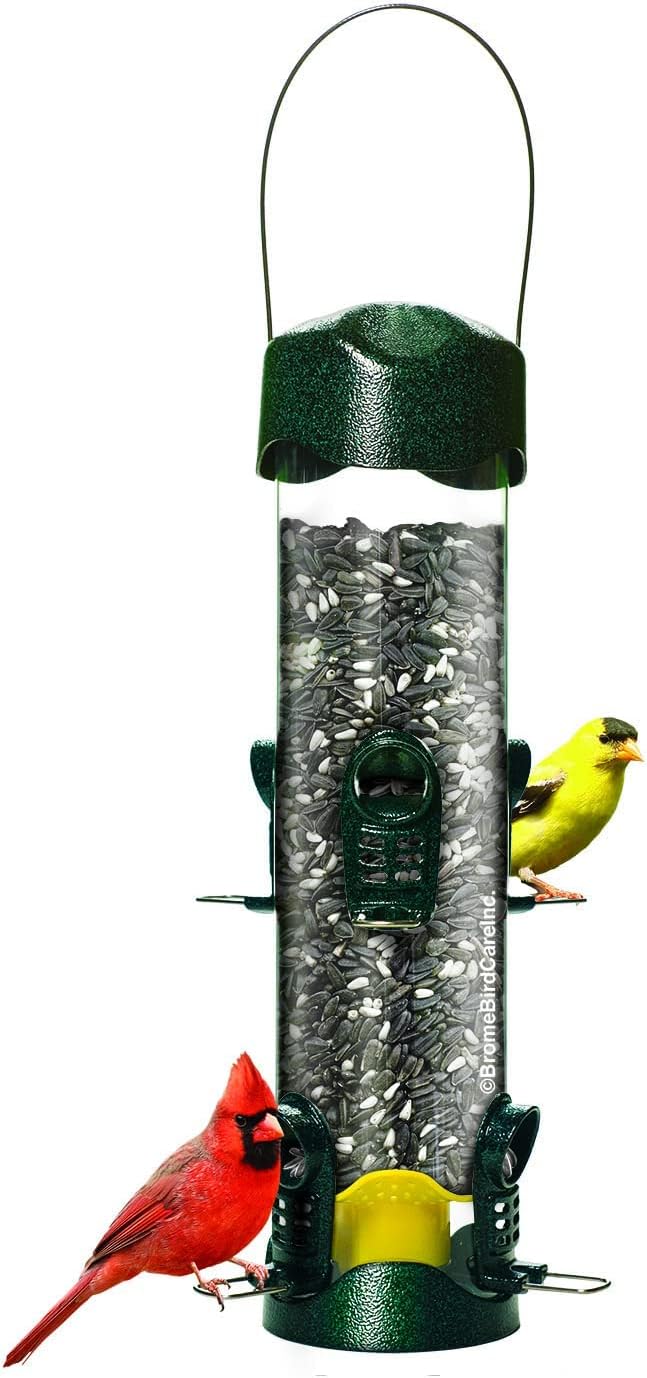 Visit on Amazon → Visit on Amazon →Brome Mega 600 |
Large seed draw | 4 lb seed | 6 metal ports, extendable perches |
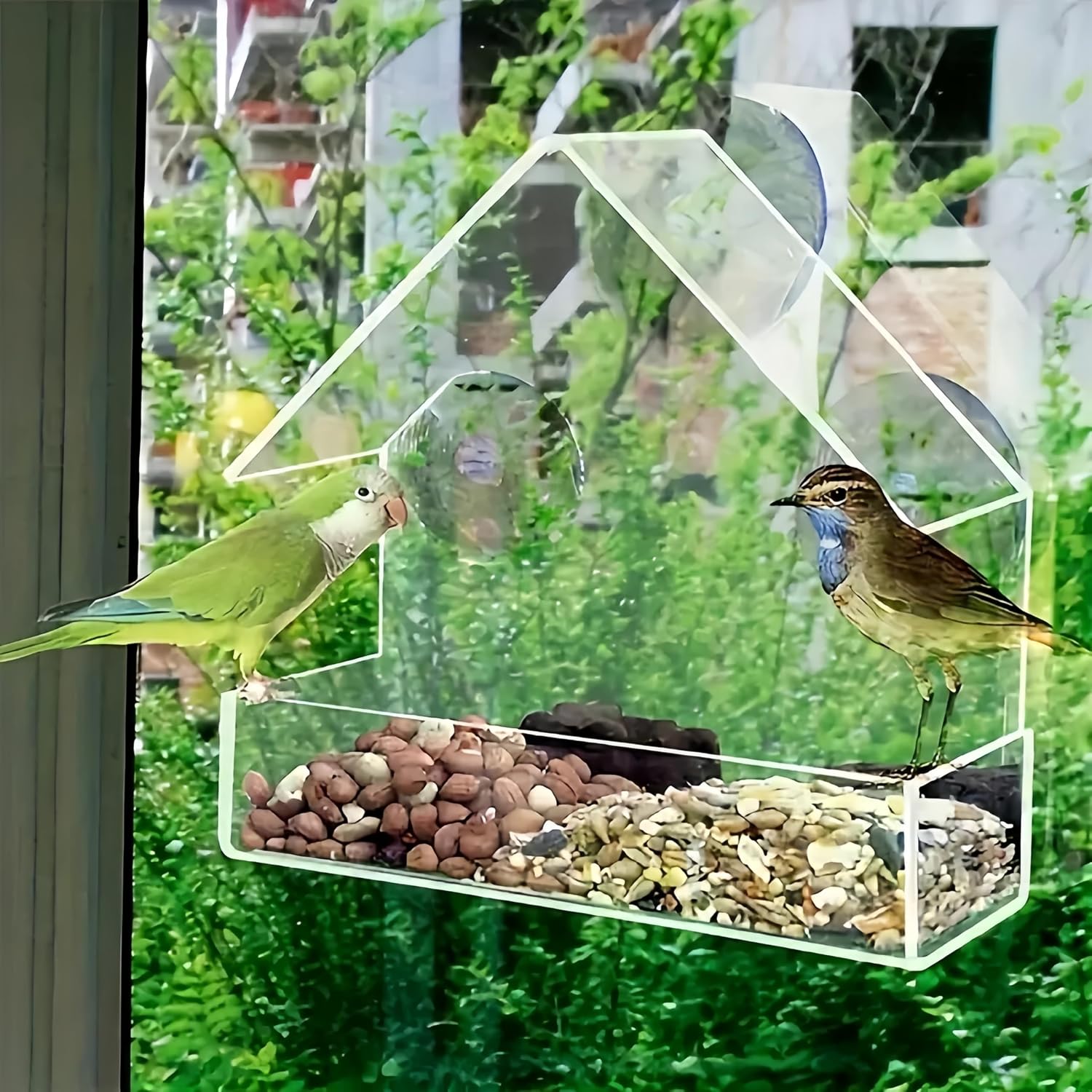 Visit on Amazon → Visit on Amazon →Clear Acrylic Window-Mounted |
Up-close viewing | Tray style | Mount within 3 ft of glass |
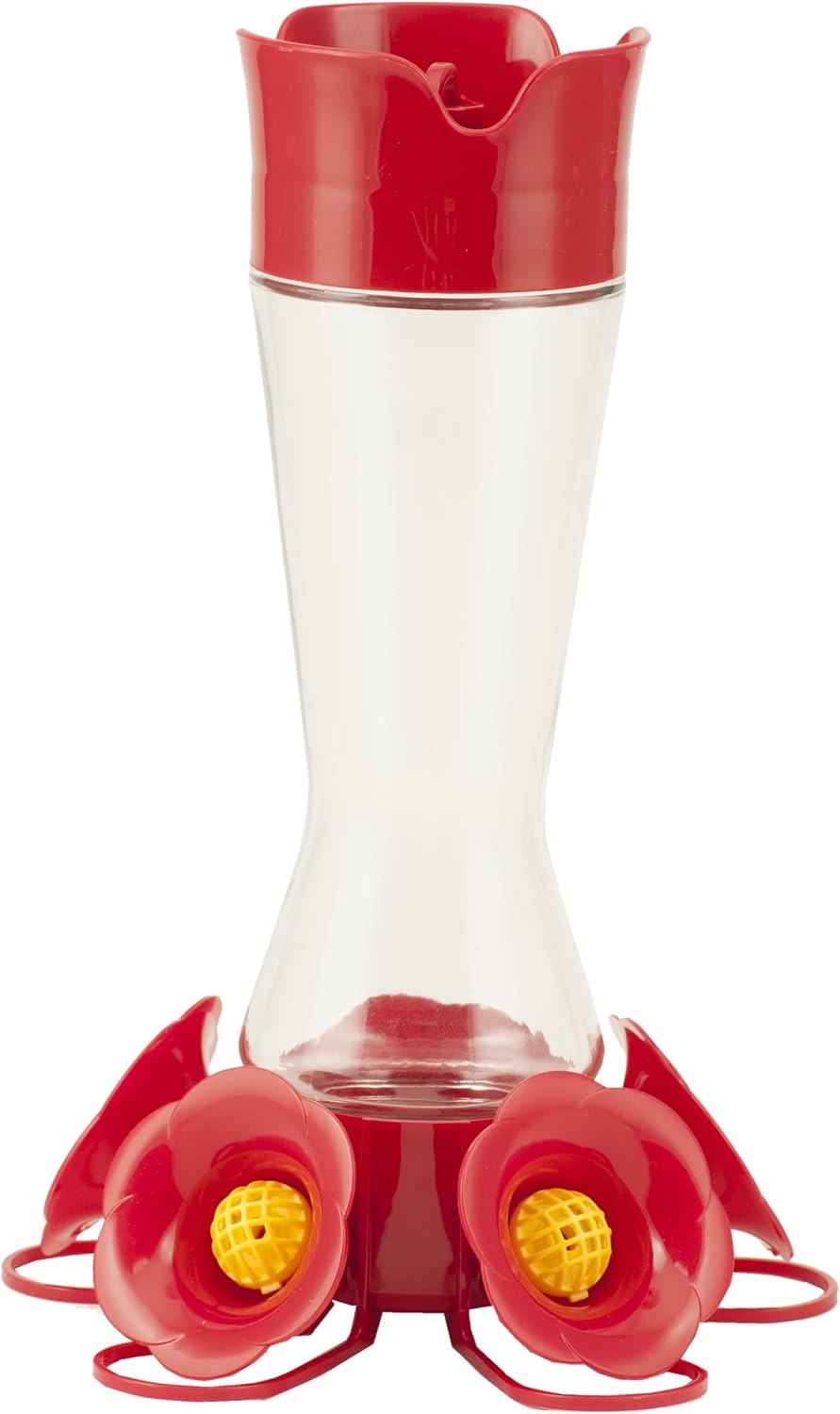 Visit on Amazon → Visit on Amazon →Perky-Pet Pinch-Waist Glass |
Hummingbirds | 16 oz | Glass cleans better than plastic |
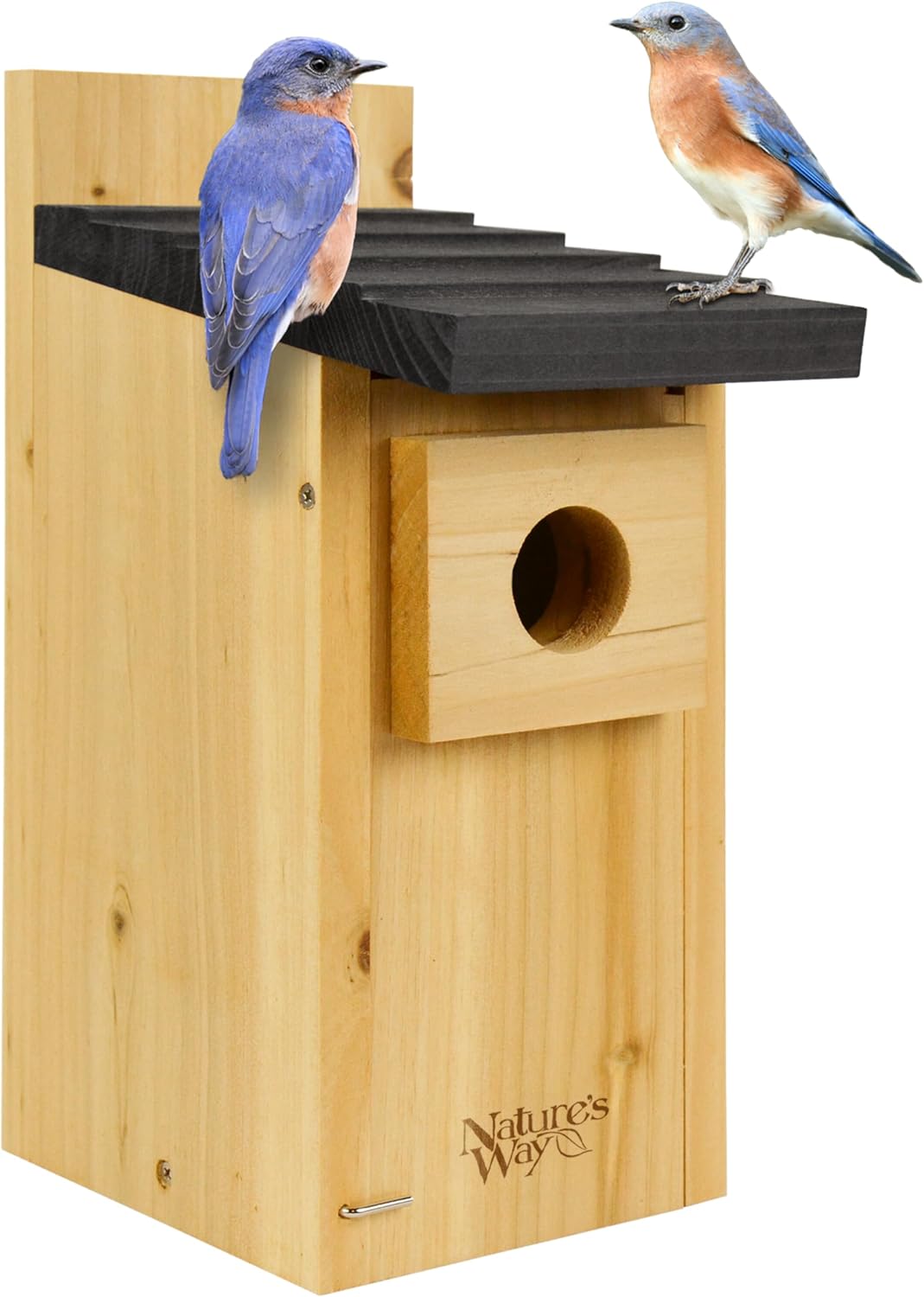 Visit on Amazon → Visit on Amazon →Wild Wings Cedar Blue Bird Box |
Nesting habitat | Nest box | Cedar resists weather |
The key is matching the feeder to the goal. If you want maximum species draw, the Brome Mega 600 is the workhorse. If you want to watch birds from the kitchen table, the window feeder wins. If you want hummingbirds, the Perky-Pet glass feeder is the one that doesn't leak. And if you want bluebirds to actually nest in your yard, the cedar box gives them a place to raise young. Together, these four turn a bare yard into a habitat that draws seed eaters, nectar feeders, and cavity nesters.
Perky-Pet Favored Pinch-Waist Glass Hummingbird Feeder
The Perky-Pet is the hummingbird feeder I hang every April 20th, the day the first ruby-throated shows up in the log two years running. The 16 oz capacity means I'm not refilling every day in peak season, and the glass body cleans better than any plastic feeder I've owned. The pinch-waist design is classic for a reason: it sheds rain, and the feeding ports stay accessible.
No red dye in the nectar. That's my rule, and it's not doing the birds any favors. The red base of the feeder draws them in, and plain white sugar water does the rest. The Perky-Pet's glass construction means no plastic clouding over a season, and it rinses out in under a minute, which is my non-negotiable for any hummingbird feeder. The bee guards work, and the feeder doesn't leak, which is more than I can say for half the hummingbird feeders I've tested.
Wild Wings WWCH3 Cedar Blue Bird Box House
The bluebird box is the one thing on this list that isn't a feeder, but it belongs here because it draws the most rewarding species of all: nesting bluebirds. The cedar construction resists weather and rot, which matters in a Wisconsin spring with freeze-thaw cycles. The box mounts on a post or tree, and bluebirds will use it within the first season if you place it right.
I've had bluebirds fledge from a box like this two years running, and the log tracks them as a species that shows up every April. The cedar keeps the interior dry, and the entrance hole is sized to keep house sparrows out. It's the one purchase that turns a feeding station into a habitat, and it's the first thing I recommend to anyone who wants more than just seed eaters.
Should you buy the Brome Mega 600?
Yes. It's the workhorse tube feeder that draws the most species per week in my log, the metal ports survive squirrel testing, and the 4 lb capacity means fewer refills in winter. It comes apart for cleaning in under five minutes, which is the standard every feeder has to meet. If you only hang one feeder, this is the one.
Should you buy the Clear Acrylic Window-Mounted Bird Feeder?
Yes, if you want up-close viewing and you mount it within three feet of glass. That placement prevents window strikes because birds can't build up speed in that distance. The acrylic cleans easily, the suction cups hold through winter when seated properly, and the clear body means you see every visitor from inches away. It's the feeder that turns a kitchen window into a front row seat.